
The Breathing Picture
Developing the future of home lung health monitoring
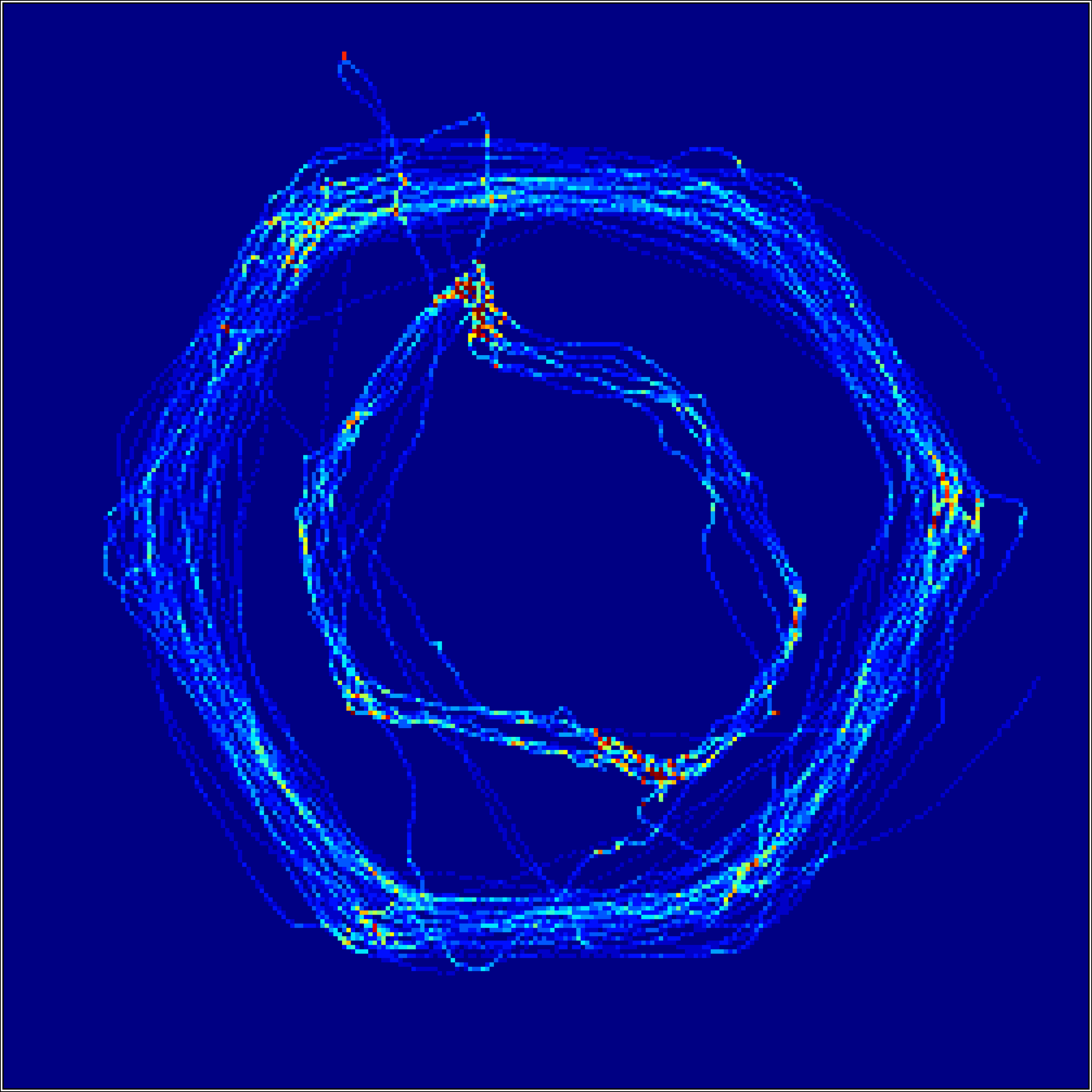
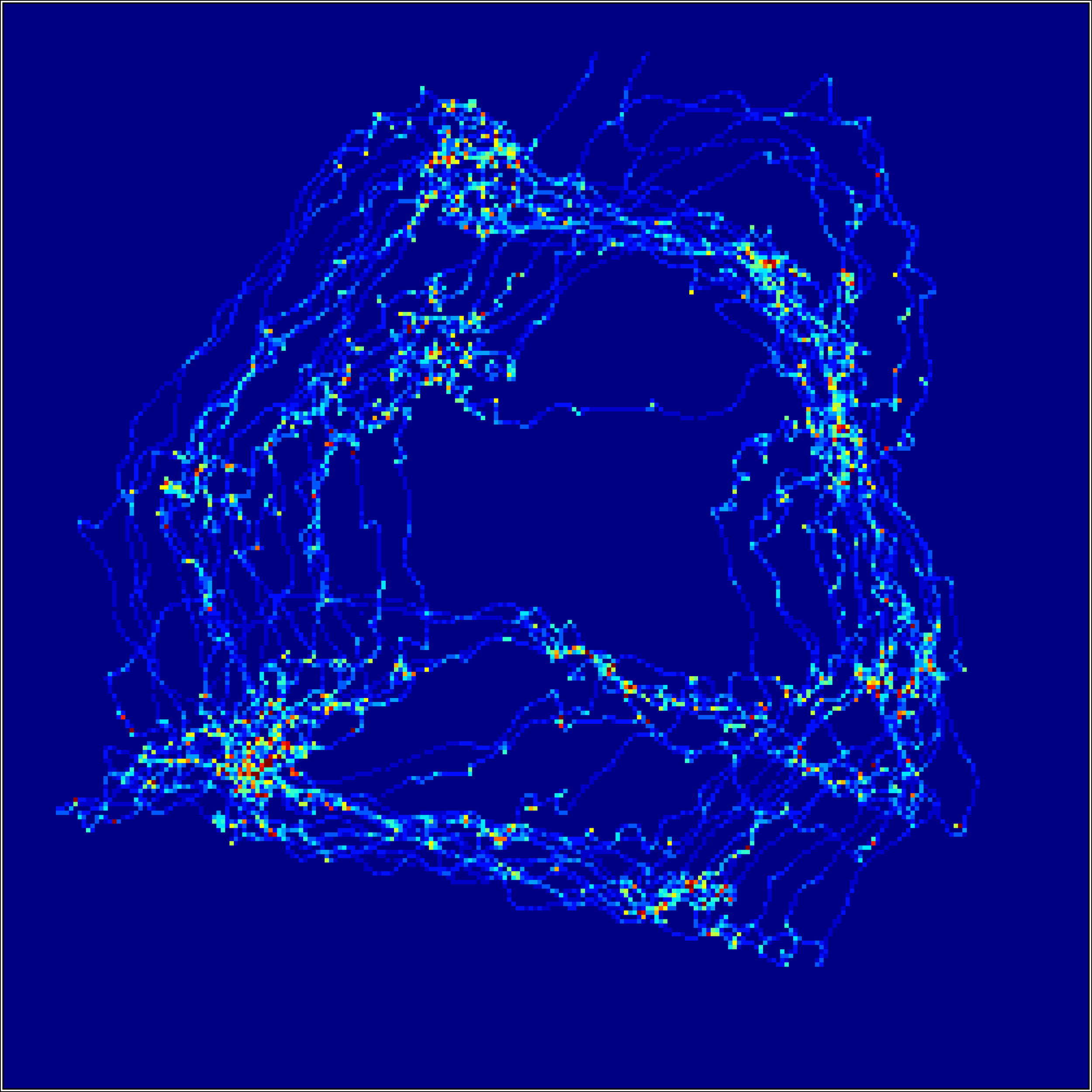
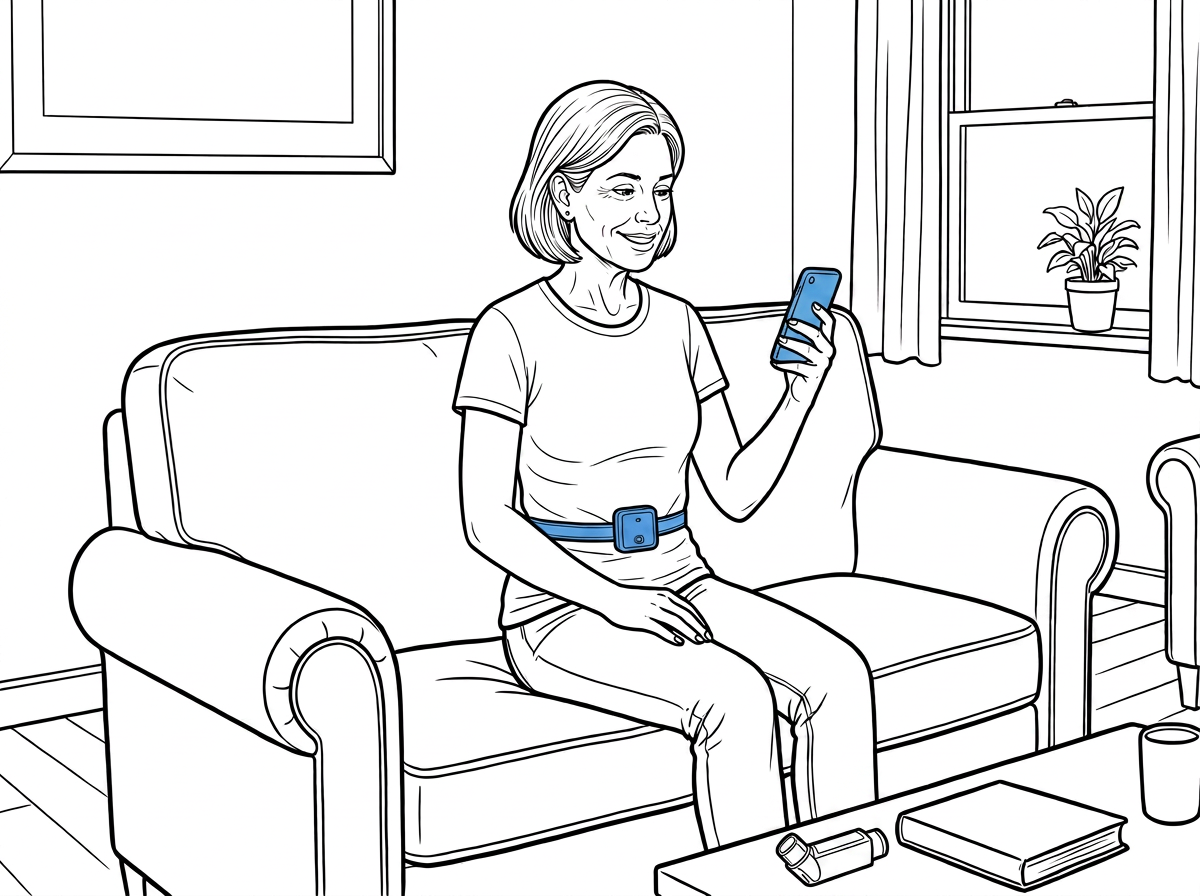
The Breathing Picture device will capture breathing waves with sensors placed at the nose or upper body
Our research has shown that this technology can better detect an increase in breathing effort
This could speed up detection of lung health crises to potentially prevent hospital admissions
Do you live with a long term lung condition or care for someone that does?
Changes in the way we breathe can predict lung health crises before other symptoms start, yet this is not currenlty measured
We are developing the Breathing Picture - a device that promptly recognises resting breathing changes at home
We have now reached capacity in our focus groups - you can still participate in our study by completing our survey!


Our vital signs monitoring technology
Technically called the Symmetric Projection Attractor Reconstruction
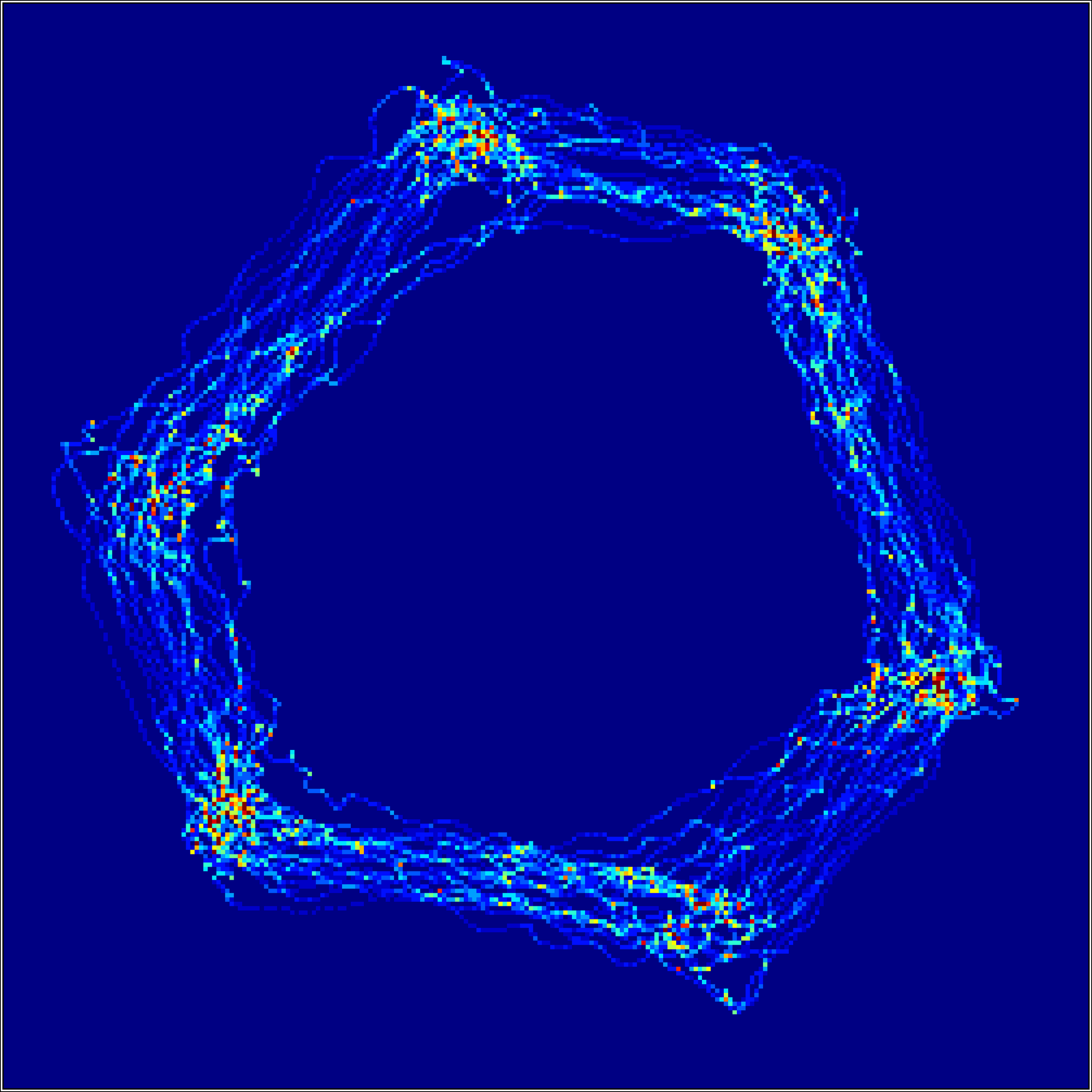
Our patented SPAR algorithm transforms vital sign waveforms, visually uncovering hidden physiological effects


Proof of concept studies carried out at King’s College London and the University of Surrey have demonstrated the ability of this technology to facilitate detection of physiological change

Electrocardiogram (EKG)

Blood Pressure Signals

Respiratory Signals
Meet the Team
-
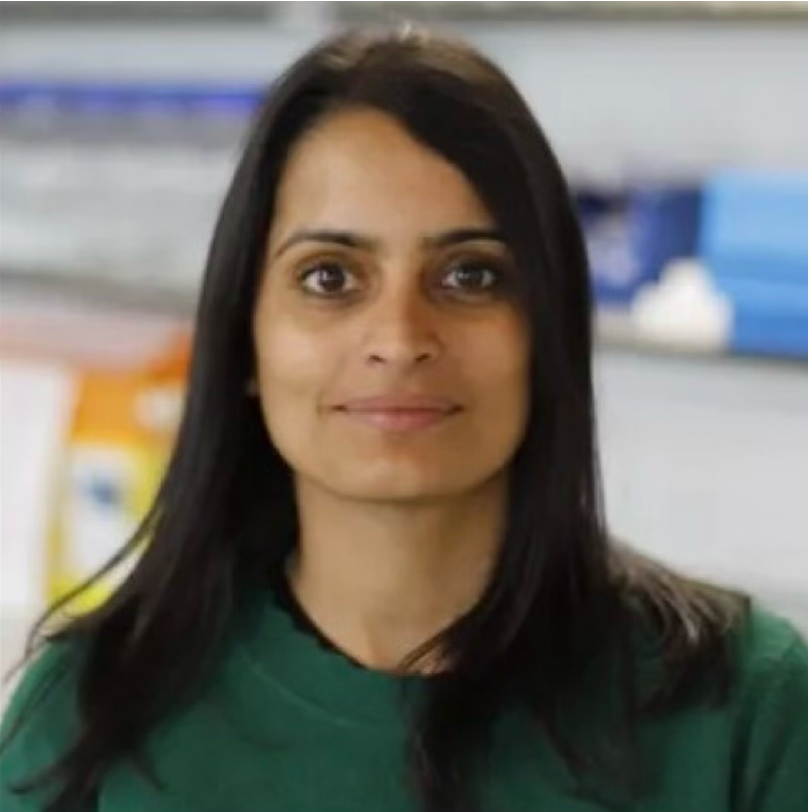
Prof. Manasi Nandi
PROJECT LEAD & CO-INVENTOR
-

Dr. Cornelia Reyes Acosta
PATIENT INVOLVEMENT EXPERT
-

Dr. Miquel Serna Pascual
BIOMEDICAL ENGINEER